
Crypto Market Downturn, Most Comprehensive 2025 Stablecoin Investment Strategy Takes You Through Bull and Bear Markets



Original Author: @arndxt_xo, Crypto Researcher
Original Translation: zhouzhou, BlockBeats
Editor's Note: This article discusses the strategies and returns of several interest-bearing stablecoins, including how different platforms generate returns through investing in U.S. Treasuries, DeFi lending, and real-world assets. Each stablecoin has different strategies and yields, such as earning returns through staking, lending, or liquidity mining. The article also mentions the characteristics of these stablecoins, such as no lockups, automatic compounding returns, suitable for long-term investment, and users who require stability, providing an innovative decentralized finance solution.
The following is the original content (slightly rephrased for better readability):
What is an interest-bearing stablecoin? It is a stablecoin pegged to 1 USD that also generates passive income. How is this achieved? Through lending, staking, or investing in real-world assets like U.S. Treasuries. You can think of it as an on-chain money market fund, but it is programmable and borderless.
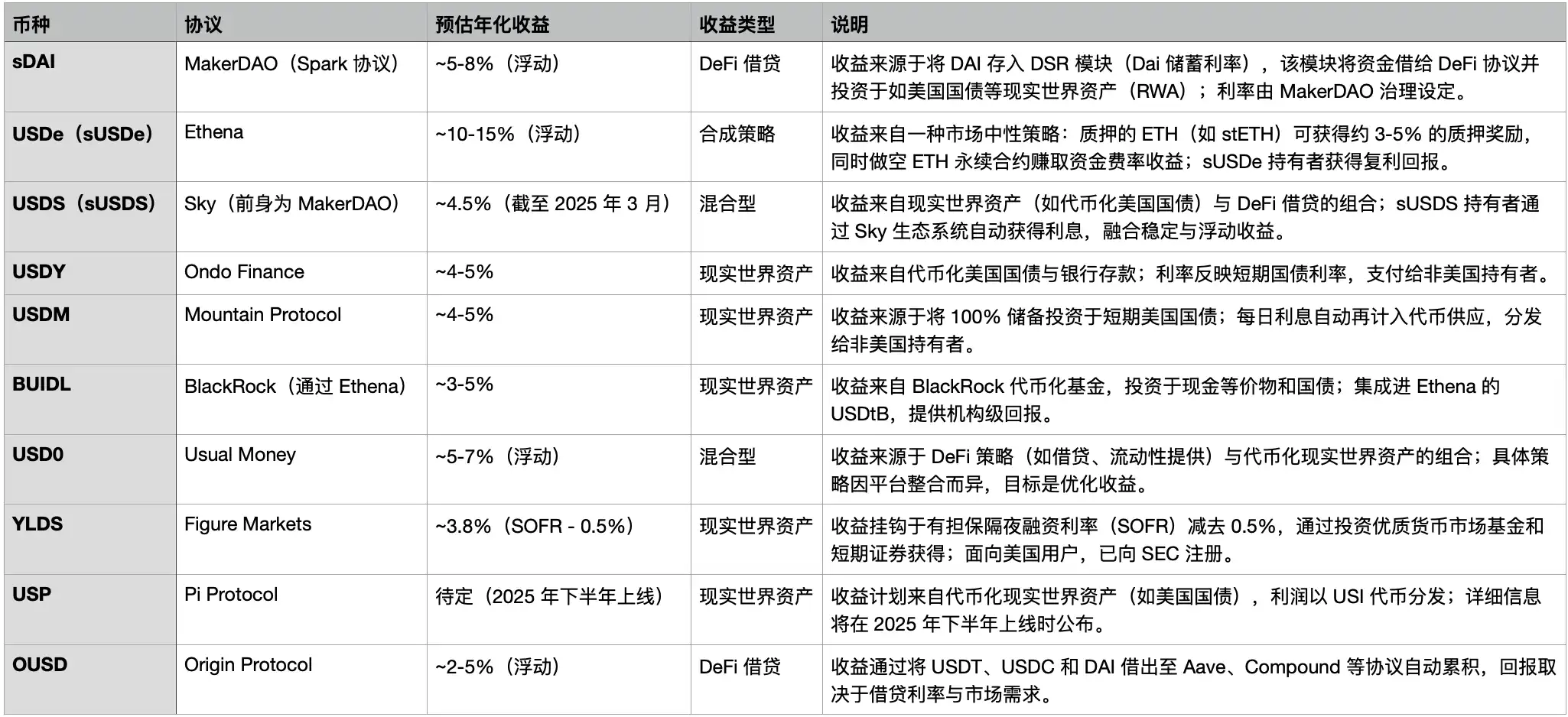
In a stablecoin market exceeding 225 billion USD with annual transaction volumes in the trillions, interest-bearing stablecoins are emerging as:
• On-chain savings accounts
• Yield-bearing products backed by RWAs
• Alternatives to banks and fintech
• Maintaining assets in USD while offering annual yields of around 3–15%
Next, let's break down how mainstream protocols achieve these returns
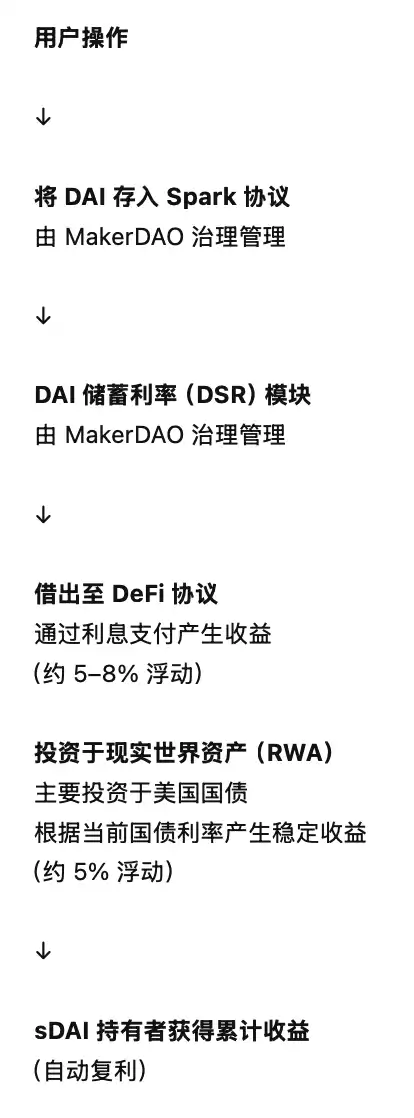
sDAI – Provided by MakerDAO via @sparkdotfi
→ Annual Percentage Yield: Around 5–8% (variable)
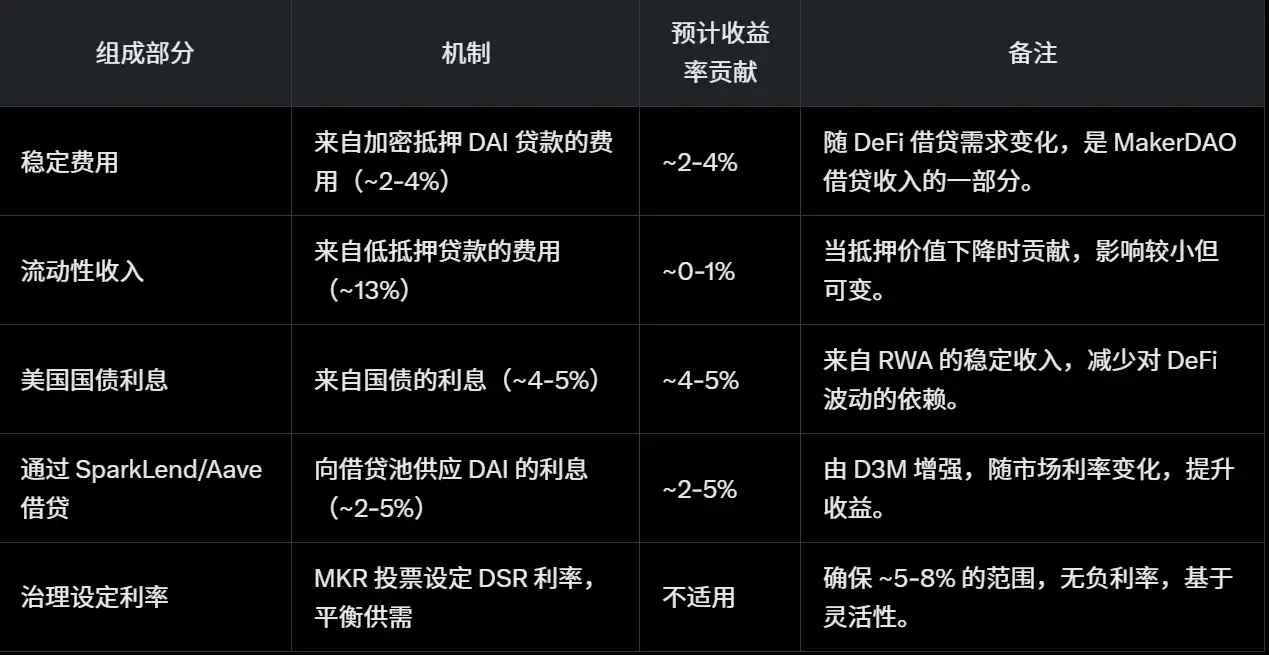
→ Strategy: DSR (Dai Savings Rate) returns from various sources
• Deposit DAI into Spark
• Sources of returns include:
• Stability fees from loans
• Liquidation proceeds
• DeFi lending (e.g., Aave)
• Tokenized Asset of US Treasury Bonds
You will receive sDAI, a token based on the ERC-4626 standard, with an automatically increasing value (non-rebasing), and the yield is adjusted by the governance mechanism based on market conditions.
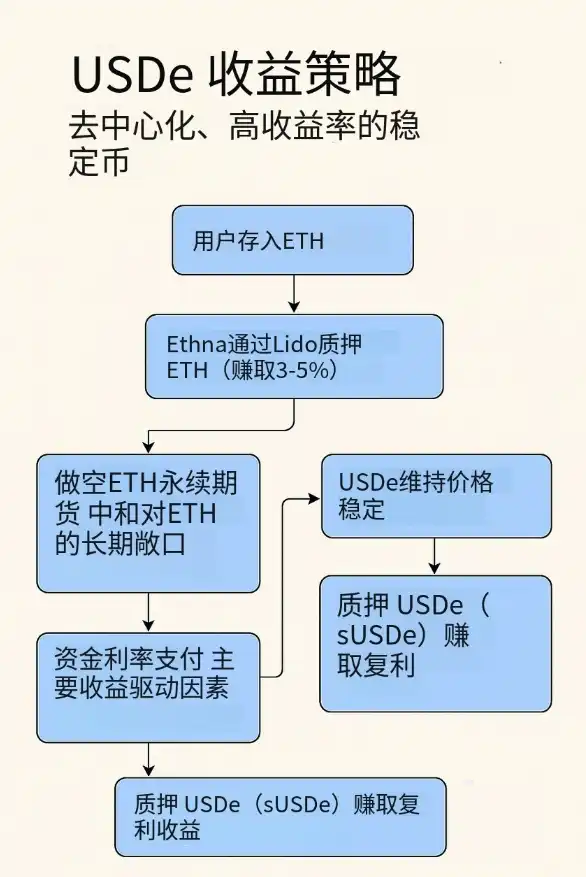
sUSDe – Synthetic Yield provided by @Ethena_Labs
→ Annual Yield: About 8–15% (up to 29% at peak in a bull market)
→ Strategy: Delta-neutral yield from Ethereum

• Deposit ETH → Stake via Lido
• Simultaneously short ETH on CEXs
• Financing Rate + Staking Reward = Yield
sUSDe holders will receive compound interest. High yield = High risk, but not reliant on banks at all.
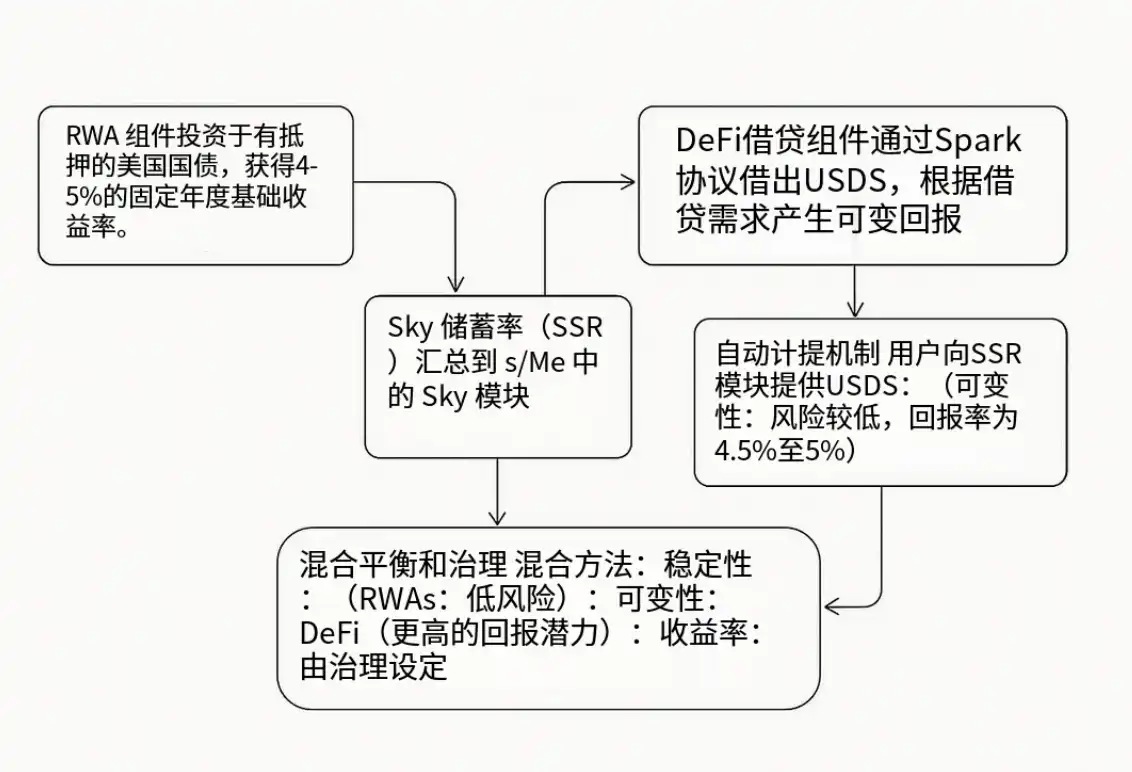
sUSDS – Provided by @SkyEcosystem (formerly MakerDAO team)
→ Annual Yield: About 4.5%
→ Strategy: Hybrid RWA + DeFi Lending
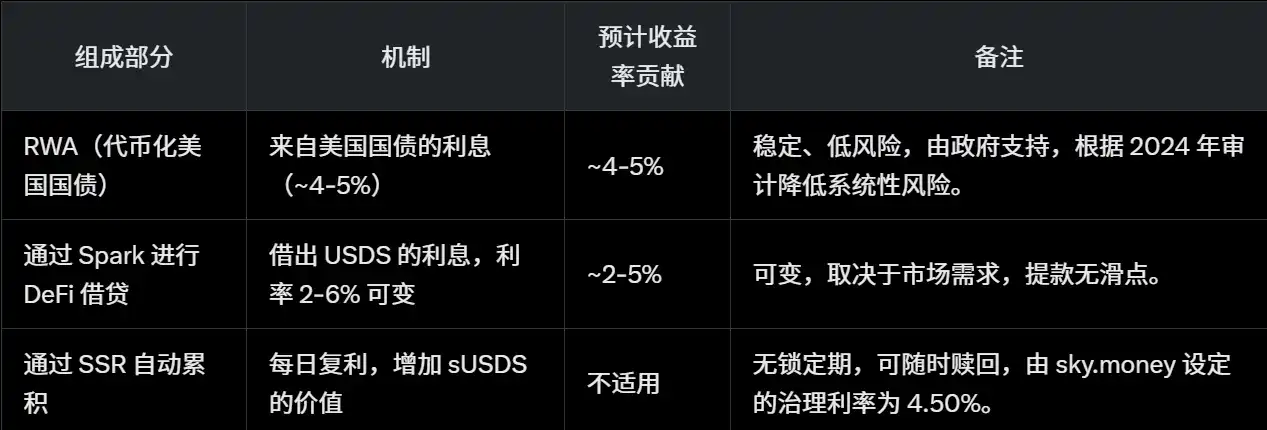
• Base Yield from Tokenized US Treasury Bonds
• Additional Yield from Spark Lending
• Yield distributed through Sky Savings Rate (SSR)
No collateral, no lock-up, automatic balance accumulation, governance mechanism sets the target annual yield for SSR.
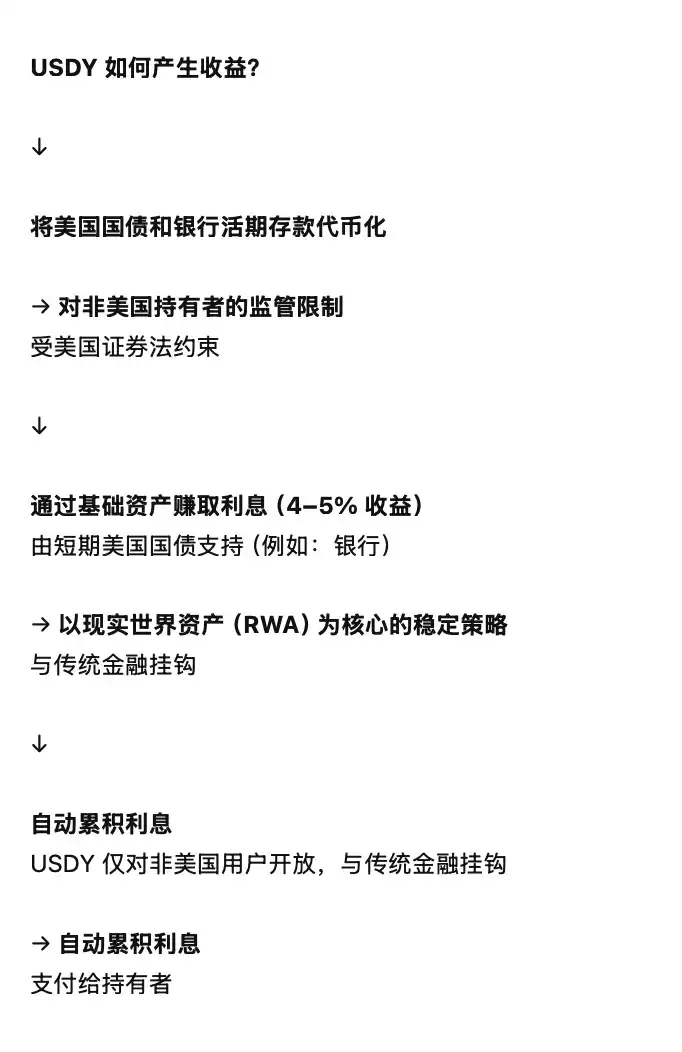
USDY – Provided by @OndoFinance
→ Annual Yield: About 4–5%
→ Strategy: Tokenized Traditional Finance for non-US holders
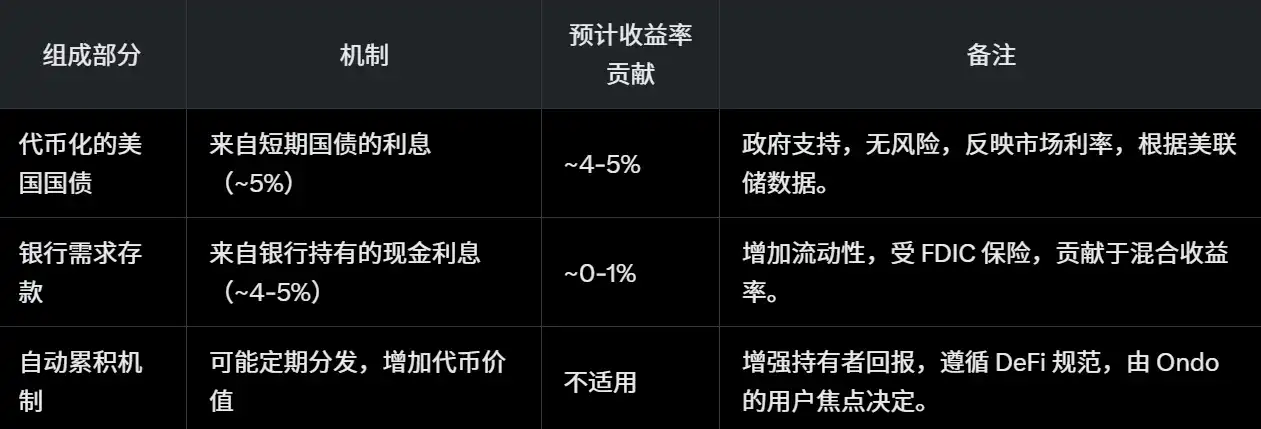
• 1:1 Backed by Short-Term US Treasury Bills + Bank Deposits
• Earn Yield Similar to a Money Market Fund
• Due to Reg S, Yield Distributed to Non-US Users
Likely auto-compounded, making passive income even more seamless.
USDM – Provided by @MountainPrtcl
→ Annual Percentage Yield: Around 4–5%
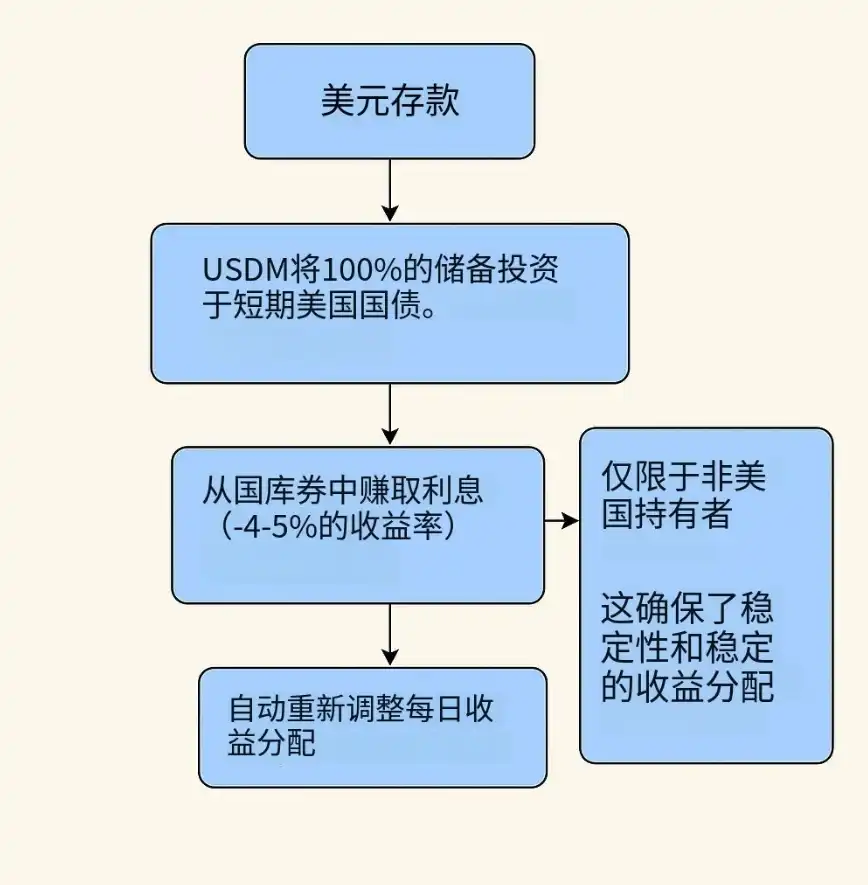
→ Strategy: 100% Backed by US Treasury Bills (T-Bill)
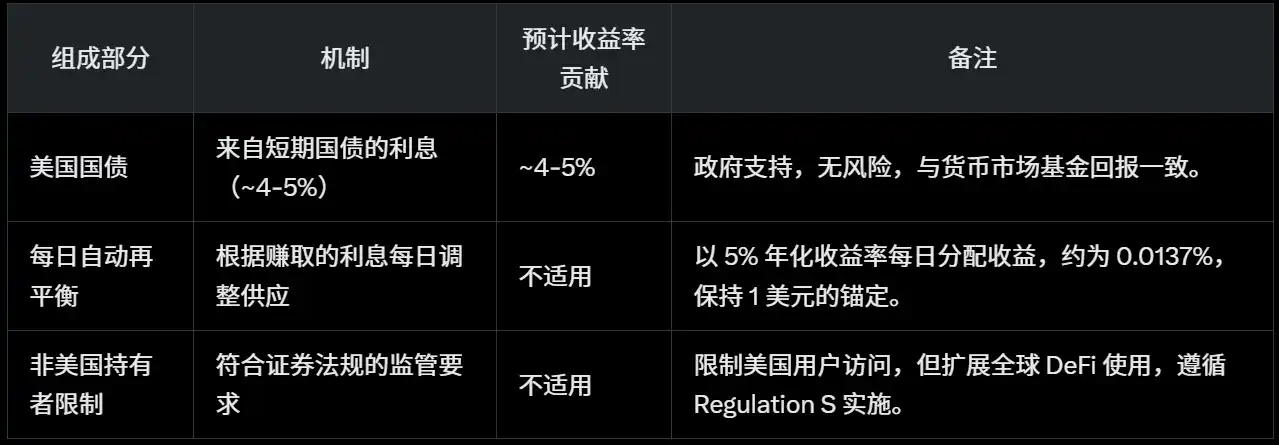
• All Reserves Comprised of Short-Term US Treasury Bills
• Daily Rebasement for Balance Growth (e.g., Daily Growth of 0.0137%)
• Only available to non-US holders
Simple, stable, and fully transparent through audits.
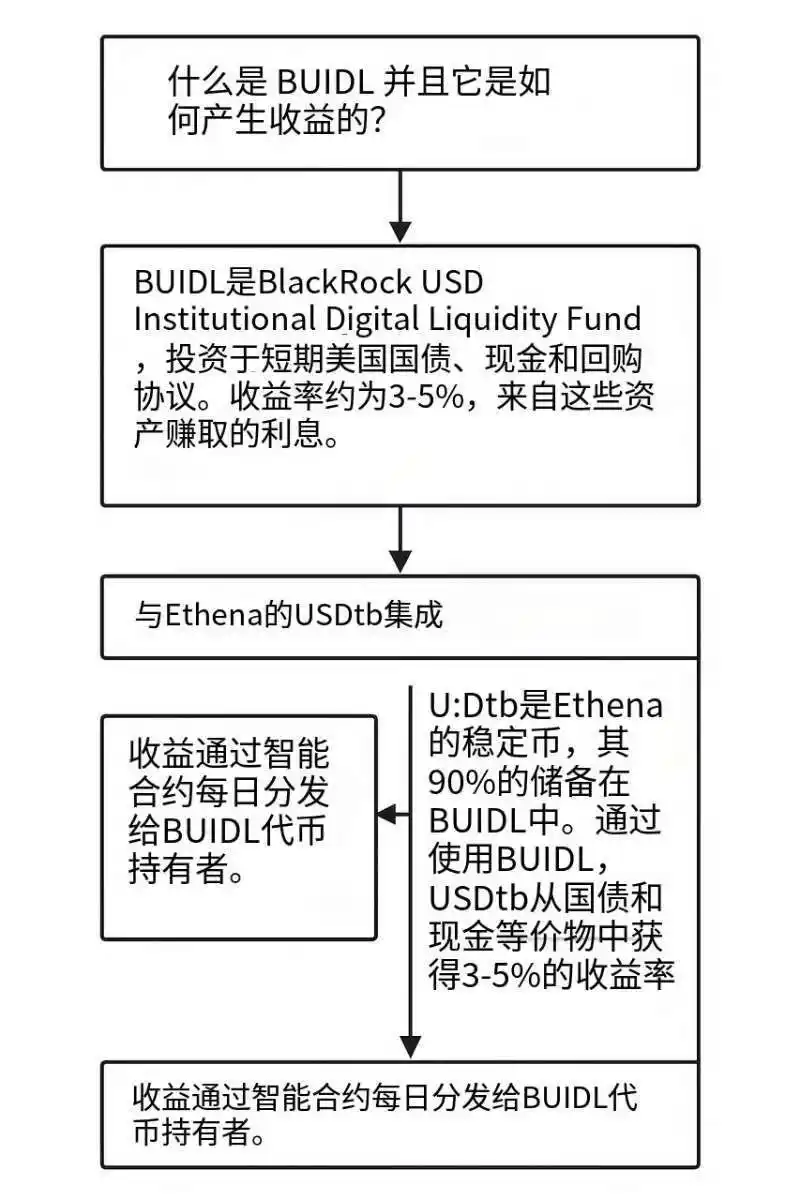
USDtb – Provided by @Ethena_Labs and @BlackRock
→ Annual Percentage Yield: Around 3–5%
→ Strategy: Institution-Grade Tokenized Fund
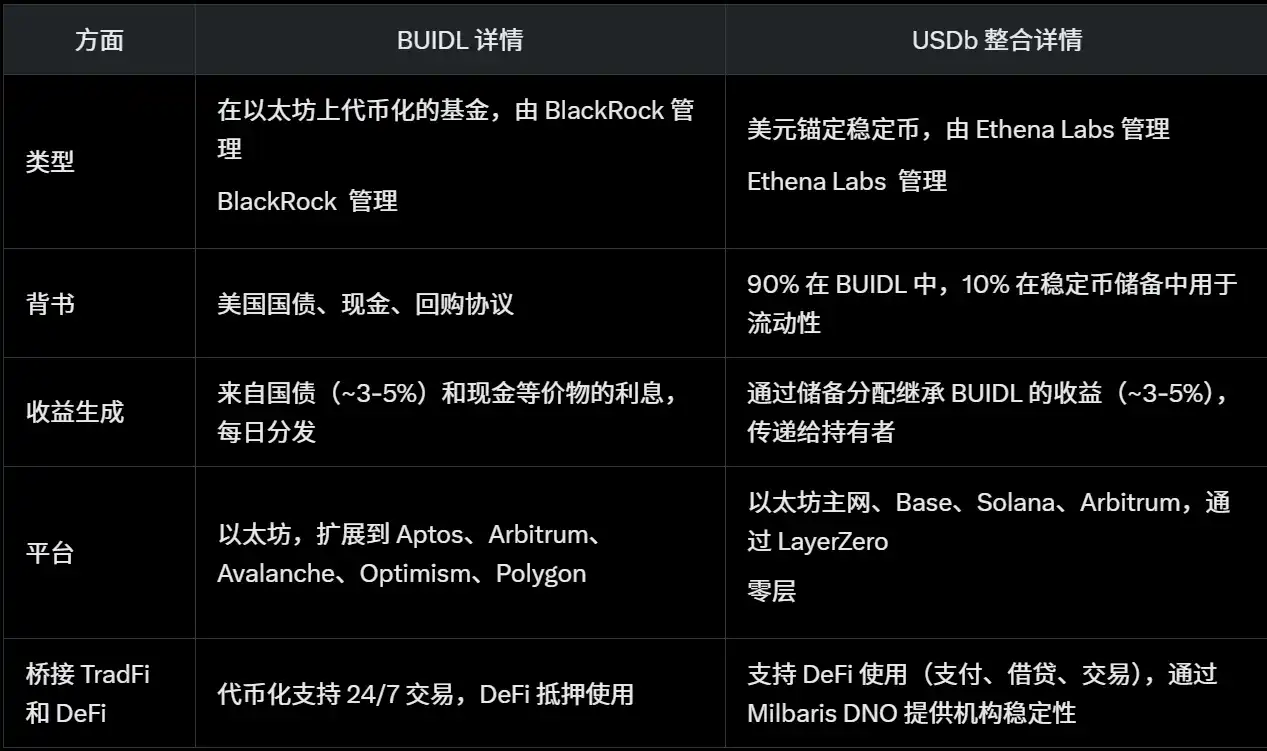
• BUIDL is a tokenized fund composed of US Treasury Bills, cash, and repurchase agreements (repos)
• USDtb uses BUIDL to back 90% of reserves
• Combines traditional financial security with 24/7 DeFi availability
Highly suitable for DAOs and protocols seeking security and yield.
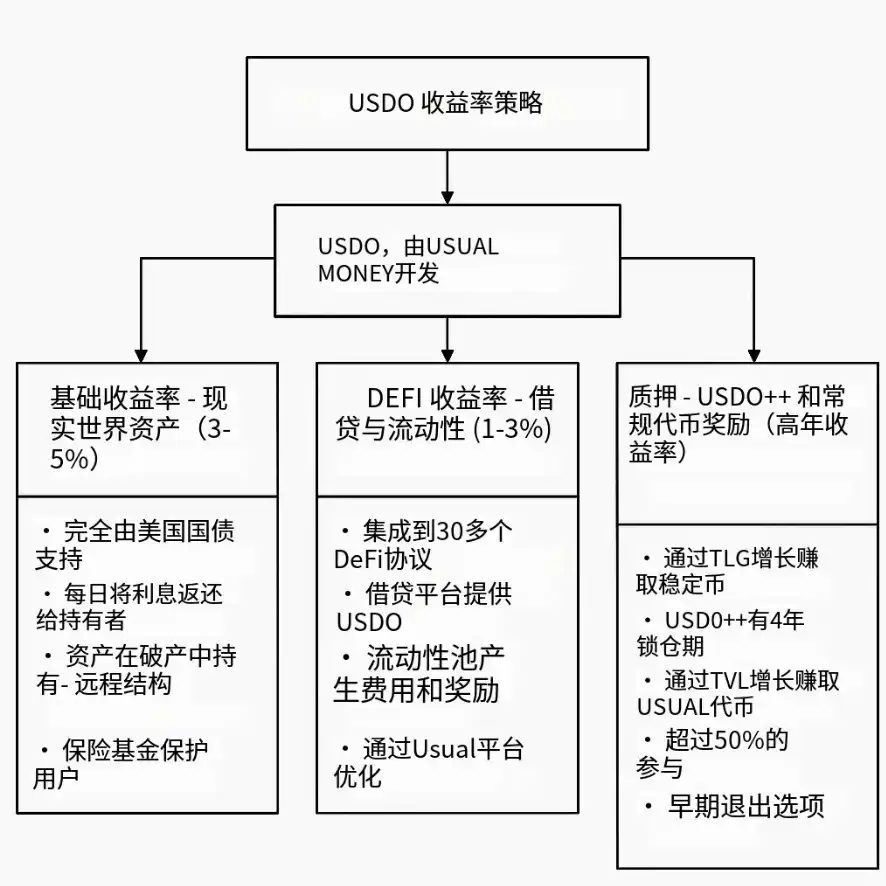
USD0 – Provided by @UsualMoney
→ Annual Yield: About 5–7%
→ Strategy: RWA+ DeFi + Staking Rewards
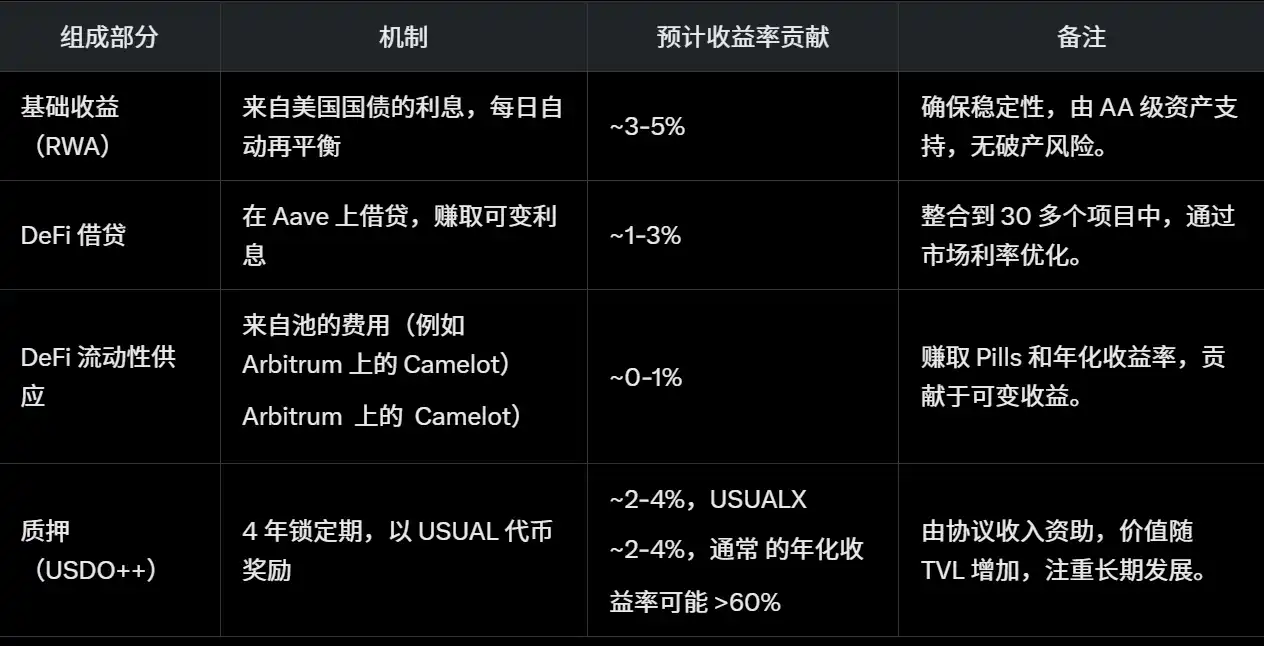
• Base Yield: 3–5% from US Treasury Bonds
• Additional Yield: 1–3% from DeFi Lending and Liquidity Mining
• Staking USD0++ → Receive USUAL Token (up to 60% APY)
Highly composable, deployed on 27 chains and 30+ decentralized applications.
YLDS – Provided by @FigureMarkets
→ Annual Yield: About 3.8%
→ Strategy: Linked to SOFR (Secured Overnight Financing Rate), Yield compliant with SEC regulations
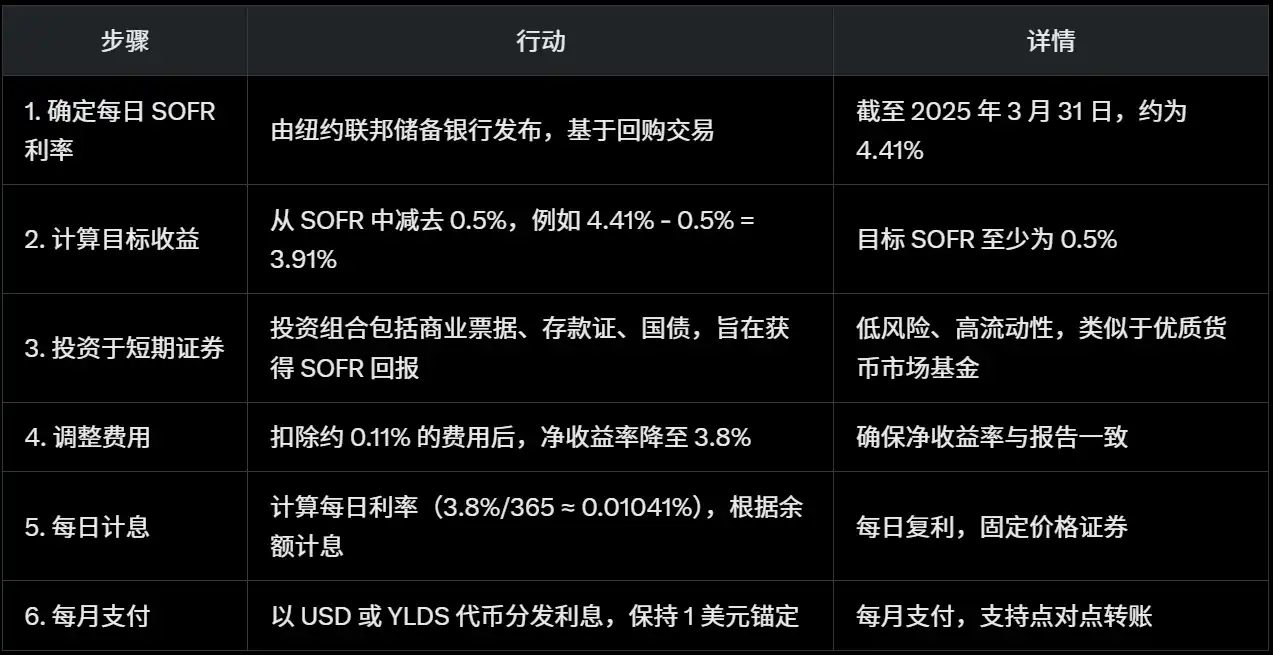
• Anchored to SOFR - 0.5%
• Reserve funds held in Prime Money Market Funds (MMFs) and US Treasury Bonds
• Daily compounding, monthly yield payouts
• Registered Public Securities—Available for US investors to purchase
Stable, regulated, very suitable for compliant on-chain investments.
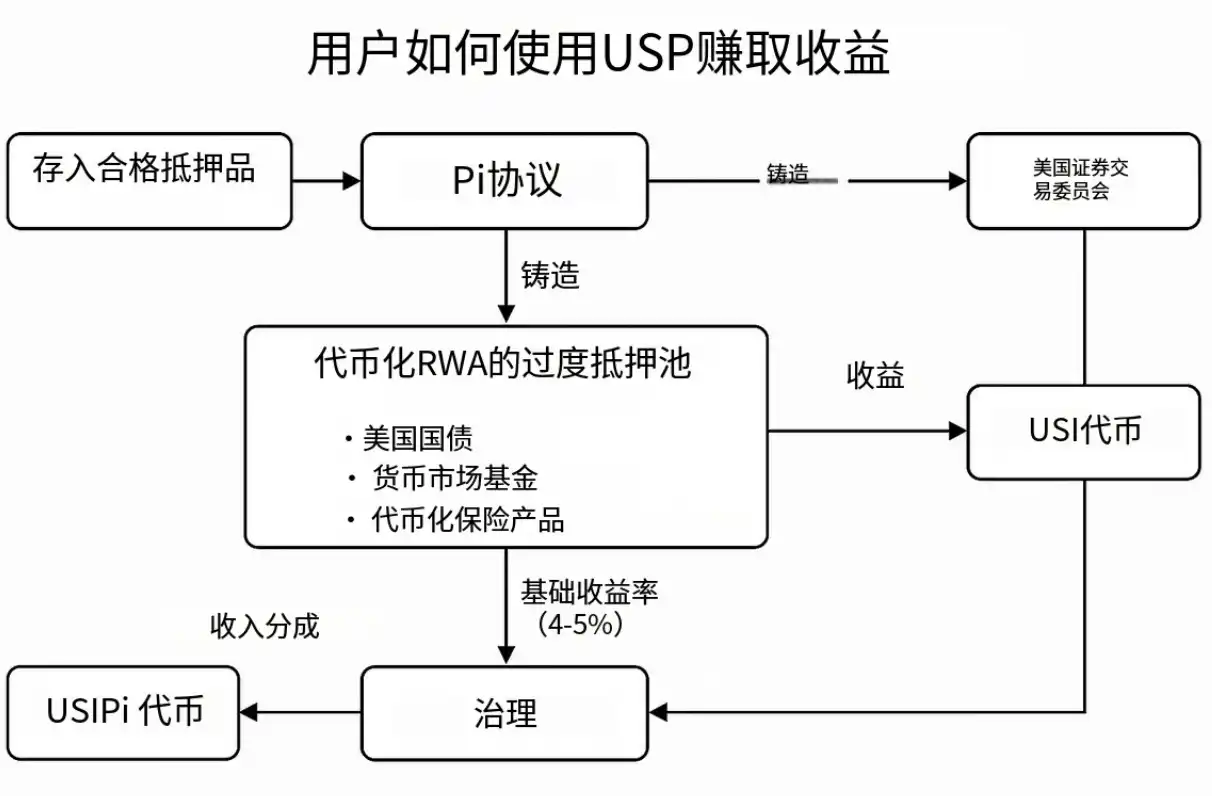
USP – Provided by @Pi_Protocol_ (Expected to launch in the second half of 2025)
→ Annual Yield: About 4–5% (Projected)
→ Strategy: Tokenization of US Treasury Bonds, Money Market Funds (MMFs), Insurance
• Overcollateralized RWA support
• Dual Token Model:
• USP (Stablecoin)
• USI (Yield)
• USPi NFTs offer revenue sharing + governance rights
Designed to align user interest with platform long-term growth.
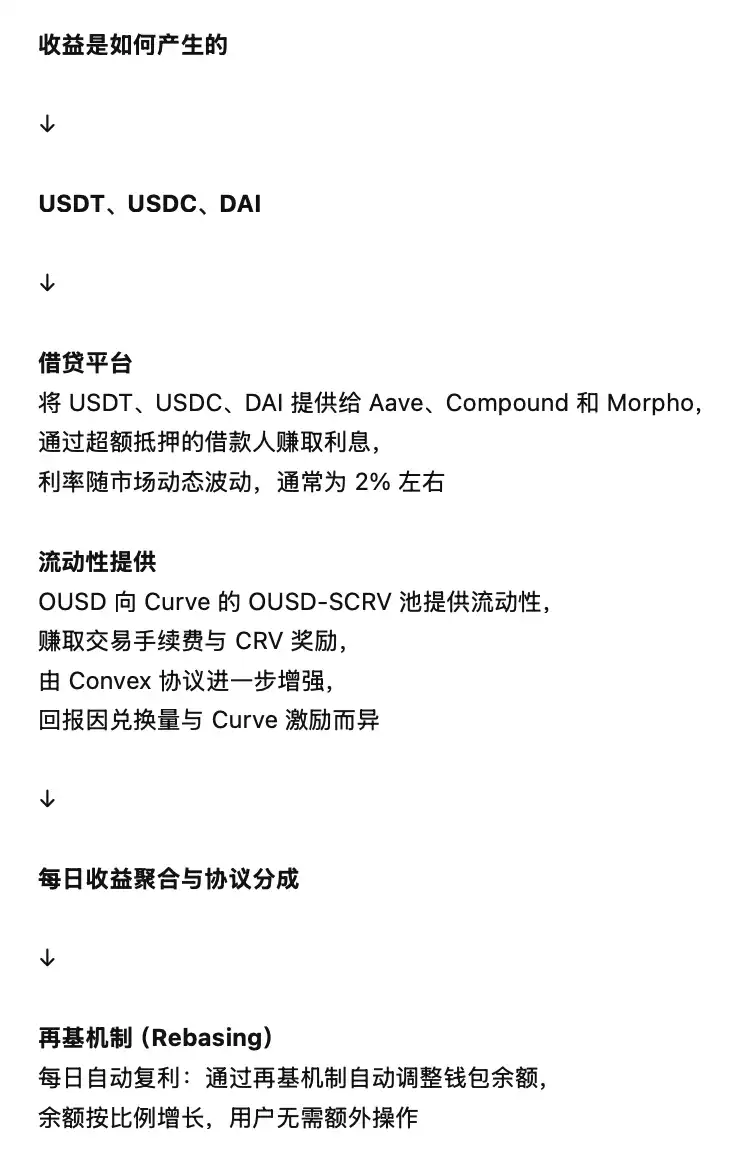
OUSD – Provided by @OriginProtocol
→ Annual Percentage Yield: Approximately 4–7%
→ Strategy: DeFi-native, auto-compounding yield
• Lend USDT, USDC, DAI to Aave, Compound, Morpho
• Provide liquidity on Curve + Convex
• Daily auto-compounding to increase wallet balance
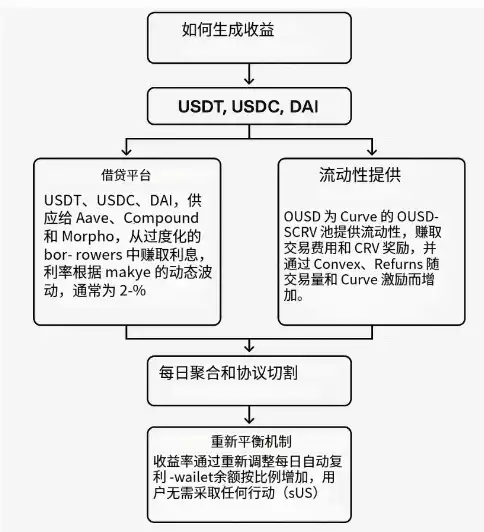
No staking, no lock-ups.
You may also like

Global Launch: As predictions become the most scarce asset in the AI era, Manadia is defining the next generation of the value internet

Who is footing the bill for the $64 billion accounting frenzy?

Morning Report | CoinEx becomes a key hub for Iran to evade sanctions, involving over $3.8 billion in funds; Kalshi seeks a new round of financing, with a valuation potentially rising to $40 billion

Why do cryptocurrency projects always like to change their names?

From the white-haired stock god to the billionaire fund mogul, the smart people shorting Nvidia are all getting rich using the same framework

Morning News | The draft amendment to the People's Bank of China Law aims to clarify the legal status of digital renminbi; South Korea will transfer about 40 unregistered virtual asset service providers to law enforcement agencies

The cryptocurrency industry has entered the "Show Me" era: merely relying on vision is no longer enough
Interpreting the Ethereum Foundation's new structure: Reaffirming self-sovereignty amid institutional trends
Former SpaceX engineer reconstructs the financial execution system using first principles

Tidal Investment: We still have a positive outlook on the AI industry chain, but the reasons have changed

Standard Chartered Bank sings a 50x rhapsody again, aiming for AAVE to reach 3500 USD

The interim executive director of the Ethereum Foundation speaks out: What is our mission?
Why does OKX want to start a new company with the parent company of the New York Stock Exchange?

Why Is PAXG Price Different From Gold? 5 Reasons Crypto Traders Should Know

WEEX OpenAPI 101: 5 Powerful Modules, AI Trading Tools, and Grab Up to 70% Revenue Opportunities
Learn how WEEX OpenAPI connects traders, developers, AI agents, and trading platforms. Discover WEEX API features, Binance-compatible integration, automated trading workflows, revenue opportunities, and ecosystem possibilities.

Interview with NDV Founder Jason Huang: Popping the AI Bubble and the Myth of Microstrategy, Seeking the Ultimate Ace in the Crypto Market

Morning Report | Former Ethereum Foundation researcher establishes Ethlabs; EU Parliament Economic Committee passes digital euro regulatory proposal

Dragonfly partner Haseeb: The fastest-growing companies in the future may all be stuck at 149 people
Global Launch: As predictions become the most scarce asset in the AI era, Manadia is defining the next generation of the value internet
Who is footing the bill for the $64 billion accounting frenzy?
Morning Report | CoinEx becomes a key hub for Iran to evade sanctions, involving over $3.8 billion in funds; Kalshi seeks a new round of financing, with a valuation potentially rising to $40 billion
Why do cryptocurrency projects always like to change their names?
From the white-haired stock god to the billionaire fund mogul, the smart people shorting Nvidia are all getting rich using the same framework
Morning News | The draft amendment to the People's Bank of China Law aims to clarify the legal status of digital renminbi; South Korea will transfer about 40 unregistered virtual asset service providers to law enforcement agencies


